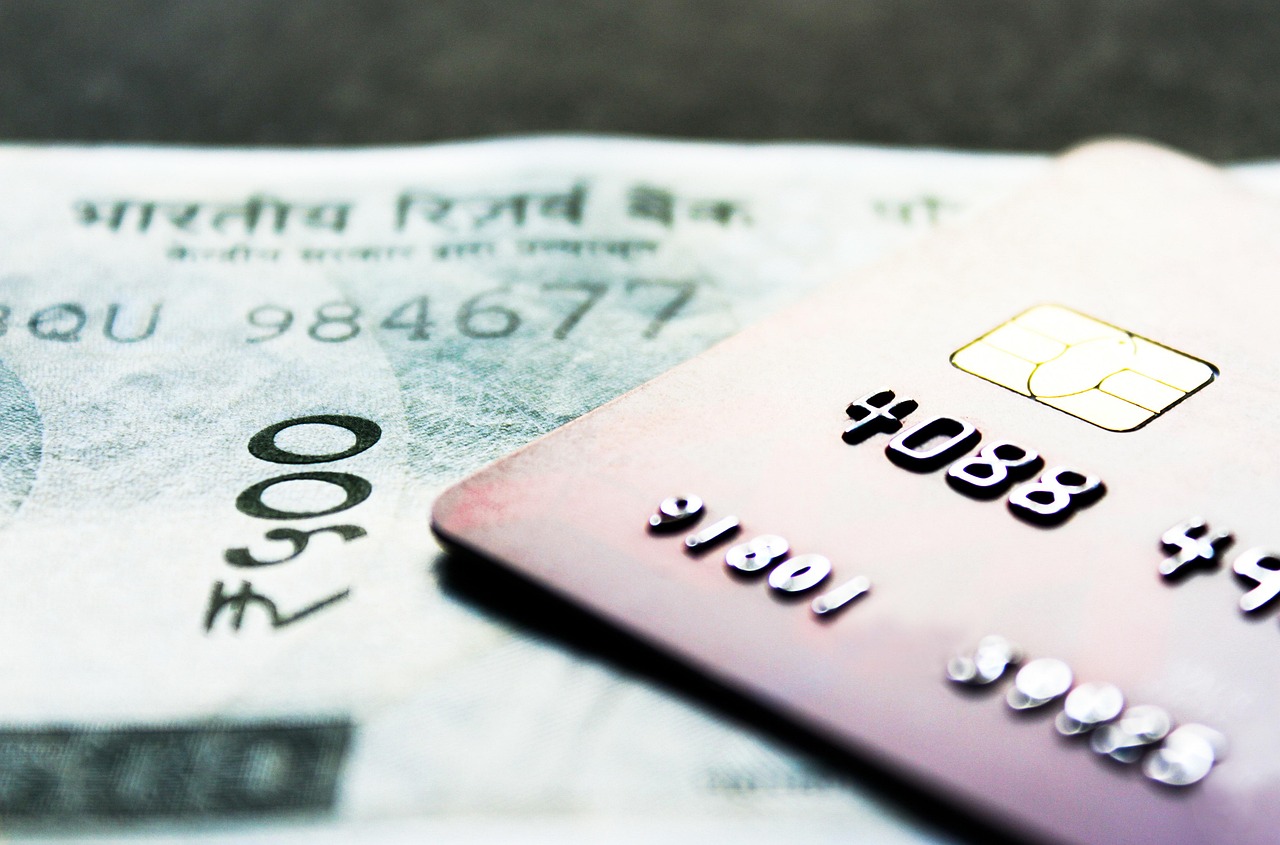
— Is best real money online poker India legal in India? This inquiry frequently comes up among players keen to participate in the flourishing online poker environment within the nation. Grasping the legal framework surrounding online poker is essential, particularly as regulations change and differ from one state to another. In this discussion, we will explore the intricacies of Indian gambling legislation, the differentiation between skill-based games and chance-based games in poker, along with the latest legal advancements.
Overview of Indian Gambling Laws
The primary legislation governing gambling in India is the Public Gambling Act of 1867, which outlines the parameters for gambling activities. However, since this act predates the digital age, it leaves a grey area concerning online gambling. Each state is empowered to create its own regulations related to gambling, resulting in a diverse set of laws nationwide.
Key Points:
- The Public Gambling Act, 1867, is the cornerstone of Indian gambling law.
- States can impose their own restrictions, resulting in varied regulations.
- Online betting legality remains a grey area, often interpreted differently across regions.
Skill vs. Chance: The Legal Distinction
In the quest to determine whether is best real money online poker India legal in India, it is imperative to consider the essential difference between skill games and chance games. Poker is typically recognized as a game of skill, where a player’s choices significantly impact the results. This distinction is crucial, as numerous states allow skill games while disallowing chance games.
In multiple landmark legal proceedings, courts have reinforced the perception that poker is mainly a game of skill. For example, a 2017 ruling by the Supreme Court recognized the importance of skill in poker, thereby reinforcing its legality in certain regions.
Current Legal Landscape by State
The legality of online poker varies significantly from one state to another in India. Some states have embraced online poker and betting, while others maintain strict prohibitions. Here’s a breakdown of the situation:
| State | Legality | |——————-|——————————| | Maharashtra | Legal | | Goa | Legal | | Sikkim | Legal | | Telangana | Illegal | | Andhra Pradesh | Illegal | | Tamil Nadu | Illegal | | Odisha | Illegal | | Assam | Illegal |
As you can see, states like Maharashtra and Goa have recognized the legality of online poker, whereas Telangana and Andhra Pradesh have imposed outright bans. Understanding your state’s stance on online poker is essential before engaging in any gambling activities.
Recent Court Rulings Impacting Online Poker
Recent judicial interpretations have further clarified the status of online poker. Courts have consistently leaned towards recognizing poker as a skill-based game, leading to a more favorable environment for online poker operators and players. For example, the High Court of Punjab and Haryana ruled in favor of online poker, distinguishing it from other gambling activities.
This encouraging trend points towards an increasing acceptance of online poker, which could potentially lead to clearer legal definitions and regulations across more states in India.
Popular Online Poker Platforms in India
For those interested in engaging with online poker in India, there are numerous platforms designed specifically for Indian players, offering a secure and regulated setting. Some well-known options are: —
- 1xBet: Known for its extensive game selection and user-friendly interface.
- Parimatch: Offers a robust poker section and various payment options, including UPI.
- Betway: A reliable platform with a strong reputation, offering excellent bonuses for new players.
— Each of these sites offers a multitude of payment options, such as UPI, Paytm, and various cryptocurrencies, facilitating a smooth entry into the gaming world.
Payment Methods for Online Poker
As online poker gains traction in India, convenient payment methods have become essential for players. The most popular payment methods include:
- UPI (Unified Payments Interface): A quick and secure way to make transactions.
- Paytm: Widely used for its convenience and ease of use.
- Cryptocurrencies: An emerging option for those looking for anonymity and security in transactions.
These methods not only improve the overall gaming experience but are also in line with the preferences of players in India, allowing for effortless deposits and withdrawals.
Responsible Gambling and Legal Compliance
While the excitement of online poker can be quite thrilling, it’s essential to approach it with caution. Make sure you are at least 18 years old before participating in any gambling activities. Numerous platforms advocate for responsible gaming by providing features such as deposit caps, self-exclusion tools, and time-out mechanisms to help you keep your gambling habits in check.
Compliance with local laws and regulations is equally important. By understanding the legal framework surrounding online poker in your state, you can make informed decisions and enjoy a safer gaming experience.
Conclusion: The Future of Online Poker Legality in India
The inquiry “is best real money online poker India legal in India?” presents a nuanced and evolving landscape. Certain states have welcomed online poker, whereas others still impose restrictions. With shifting legal interpretations and a growing acceptance of games based on skill, the outlook for online poker fans in India appears bright.
As you explore this dynamic online poker environment, always put responsible gambling practices at the forefront. Keep in mind that the legal status of online poker may change, so staying updated is crucial.
Frequently Asked Questions
Is online poker legal in India?
Online poker is permitted in specific states like Maharashtra and Goa, but it is prohibited in others, including Telangana and Andhra Pradesh. —
What are the payment methods for online poker in India?
Popular payment methods include UPI, Paytm, and cryptocurrencies, providing a variety of options for players.
How is poker classified under Indian law?
Poker is generally classified as a game of skill, which distinguishes it from games of chance under Indian gambling laws.
Is it permissible for those under 18 to play online poker?
No, individuals must be at least 18 years old to participate in gambling activities such as online poker.
What steps should I take if I suspect I have a gambling issue?
If you suspect that you have a gambling issue, it is essential to reach out for assistance. Numerous platforms provide responsible gaming features, and there is access to professional help.
Remember to gamble responsibly. 18+ only.